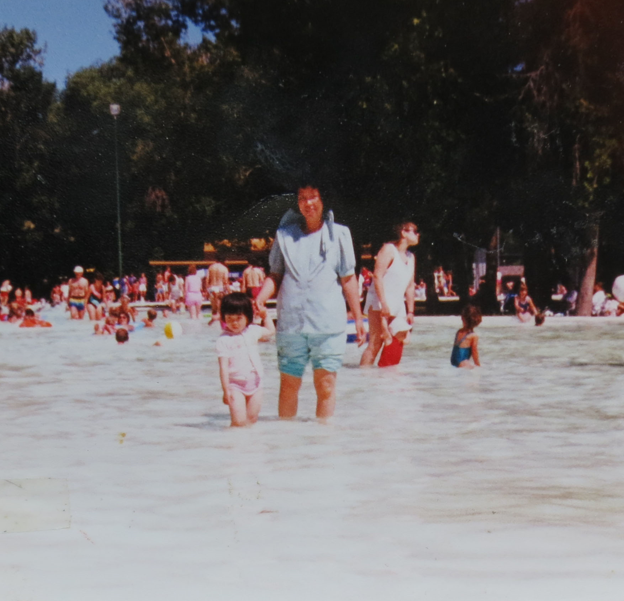
Lisa & Mom Chong @ Riley Park
May is Asian Heritage Month in Canada, a time to reflect on and celebrate the contributions that Canadians of Asian origin continue to make, to the growth and prosperity of Canada." -Government of Canada
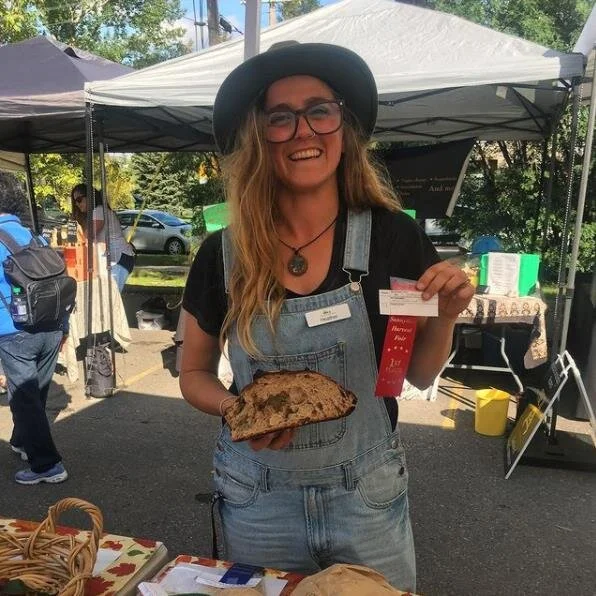
My name is Lisa Chong. I have been telling the story of Calgary's community of Hillhurst Sunnyside for many years through the lens of redevelopment and inclusion. As HSCA staff, we have celebrated volunteers and welcomed new neighbours into the community. In recognition of Asian Heritage Month, I would like to share my family's story.
2020 was a tumultuous year for us all - the stress on our mental and physical health, on our pocketbooks, and our communities. At a time when the world was collectively grieving, we saw harmful rhetoric and actions directed towards Asian communities. 2020 was a year that brought more voices into the forefront, highlighted by the disparity of the Covid-19 pandemic.
Mohkinstiss is the Blackfoot name for Calgary, at the confluence of the Elbow and the Bow Rivers, a space where people have gathered for generations and built community. Alberta became a province in 1905 on land that was populated by our Indigenous people for thousands of years.
Our family story runs parallel to the signing of Treaty 7 in 1877, which changed the traditional way of life for our First Peoples forever. Treaty 7 was signed with Indigenous leaders and drove European settlement and colonization in southern Alberta. It was the final treaty that realized the Dominion of Canada's promise to build the transcontinental railroad.
Our first ancestor, my mother's great grandfather arrived in Canada in the 1880s to support labourers working on the railroad. Many of the workers emigrated from the Four Counties of Canton (now Guangdong) province in southern China. Chinese men were recruited and worked on the Canada Pacific Railway through its most treacherous tracks through the Rocky Mountains. Many perished under extremely harsh work conditions.
Once the railroad was completed in 1885, Chinese labourers were no longer welcome in the nation that they helped connect. Great great grandfather was expelled and relocated to a small mining frontier town in America or Gold Mountain. His grandson, my Grandpa Ernesto, made his living in Cuba (at the time, Canada and the USA were closed to Chinese immigration). He later joined his family in America, twice a refugee of communism.
My great grandfather on my father's side paid a head tax of $50 to emigrate to Canada. The 1885 Chinese Immigration Act was the only head tax collected by the Dominion of Canada that was based on country of origin, intended to curb immigration, and dehumanize a group of people.
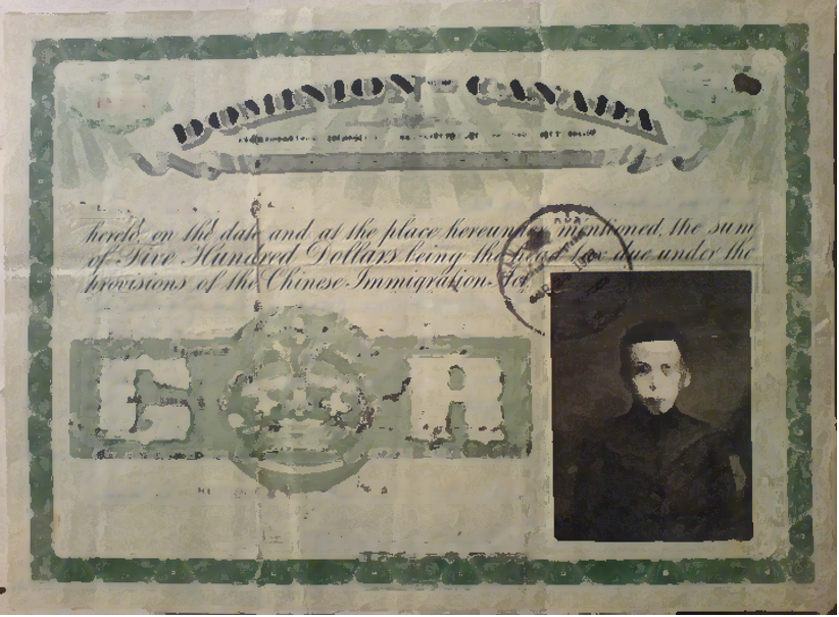
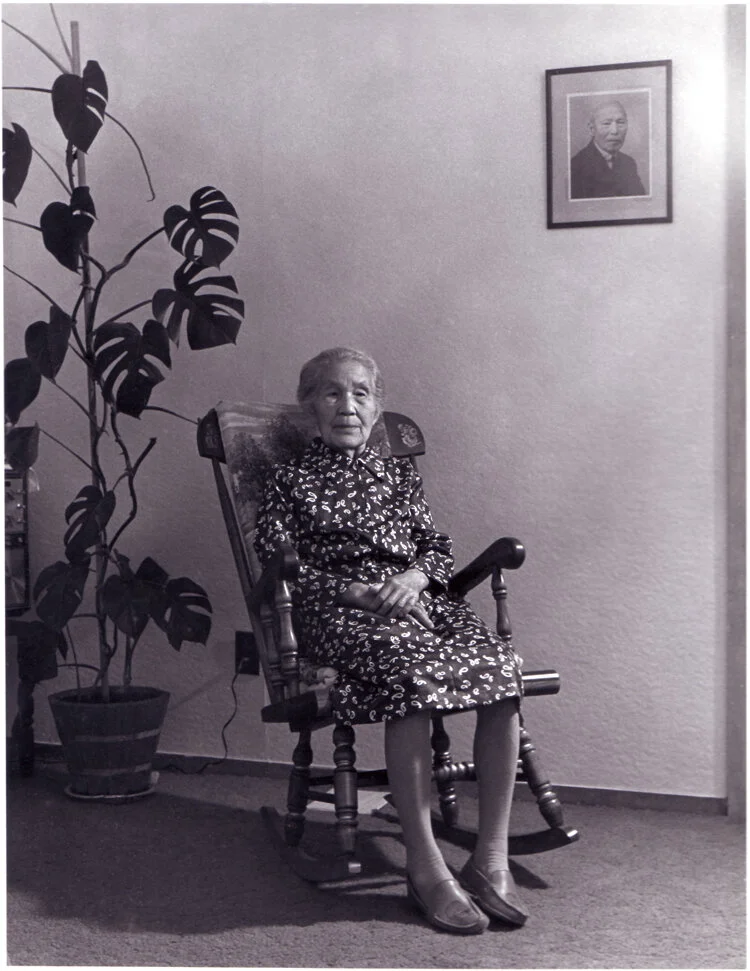
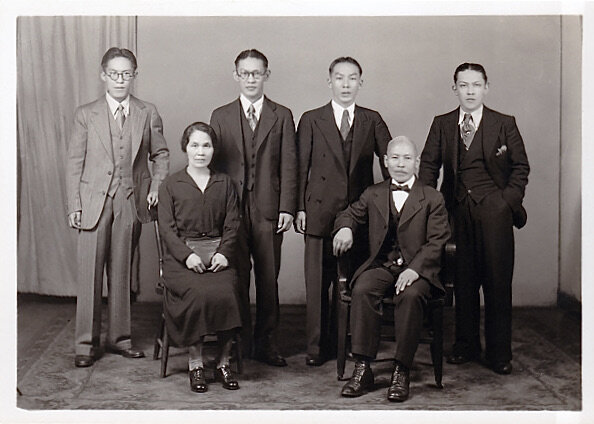
Grandfather Chong paid a $500 head tax to the Dominion of Canada in 1924 at 11 years old
Poverty was rampant in southern China at the time. Migrant families would pool their money to send their sons to the West. My grandfather, Jack at age 11, paid a head tax of $500 in May 1924. At that time, $500 could pay for two houses in Montreal. 1924 was the same year that Chinese immigration to Canada ended on July 1, Canada Day, otherwise known as Humiliation Day to the Chinese community at the time.
Families were separated. A generation of bachelors were created. Only the wealthiest merchants could afford to bring their wives to Canada prior to the 1924 Chinese Exclusion Act. Many Chinese men formed unions with Indigenous women (check out Cafe Daughter, a stage play based on the life of former Senator Lillian Eva Dyck). Chinese-Canadians who were born in Canada before 1947 were nationless and were not considered citizens.
The journey to equal rights is complicated. For background reading, the Canadian Encyclopedia details the history of the vote from the women’s suffrage movement and the Black Canadian vote in 1919, onward. Hundreds of Chinese-Canadians served in World War 2. The young men who fought for our collective freedom with the allied forces also fought for human rights and the hope of gaining citizenship and to simply hold the same rights as their peers, the right to vote.
Canada's internment of Japanese-Canadians drew strong parallels and criticism on the world stage to the atrocities of World War 2. Partly because of the demonstration of loyalty on the part of Chinese-Canadian soldiers during WW2 and partly due to the global call for humanitarianism on the prosecution of the Jewish people, Canadians with Chinese and East Indian ancestry were allowed to vote in 1947, while Japanese-Canadians were permitted to vote in federal elections by 1948. For Indigenous people, 1960.
We are a family of economic migrants. My grandfather Jack sailed to his ancestral home in Hoyping and married my grandmother, Hon Fong of Guangzhou and had two sons. With a small family to support, he departed back to Canada alone. The promises of the West beckoned.
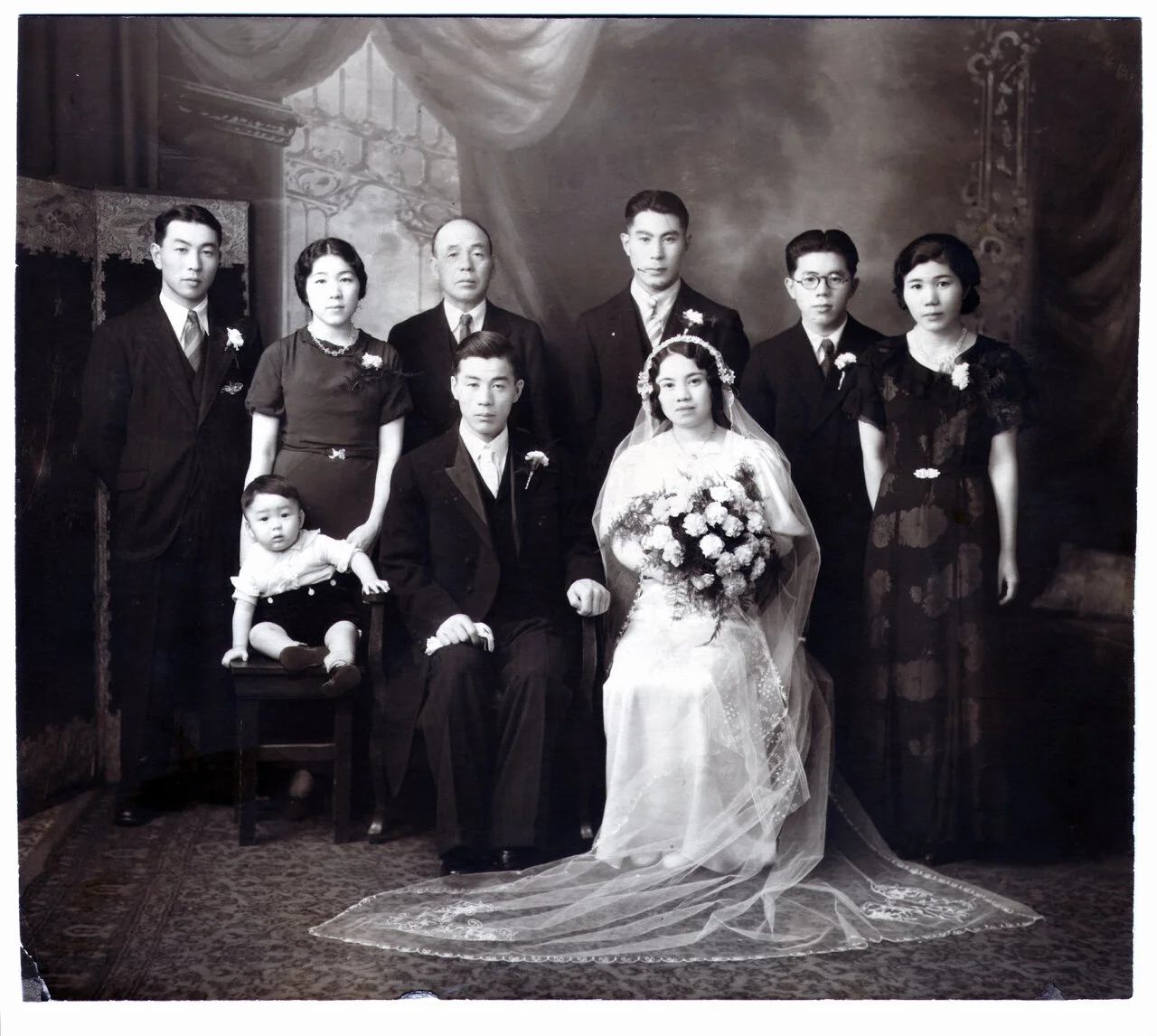
The Chinese Exclusion Act was lifted in 1947, which initially only allowed wives and any dependents under 18 to reunite. Jack made a marginal living running the local rural Alberta community corner store and saving up until his family could join him in 1957. Immigration in the broader sense only opened up in 1967, which is when Jack's sons married their respective spouses in Hong Kong and our family story finally begins.
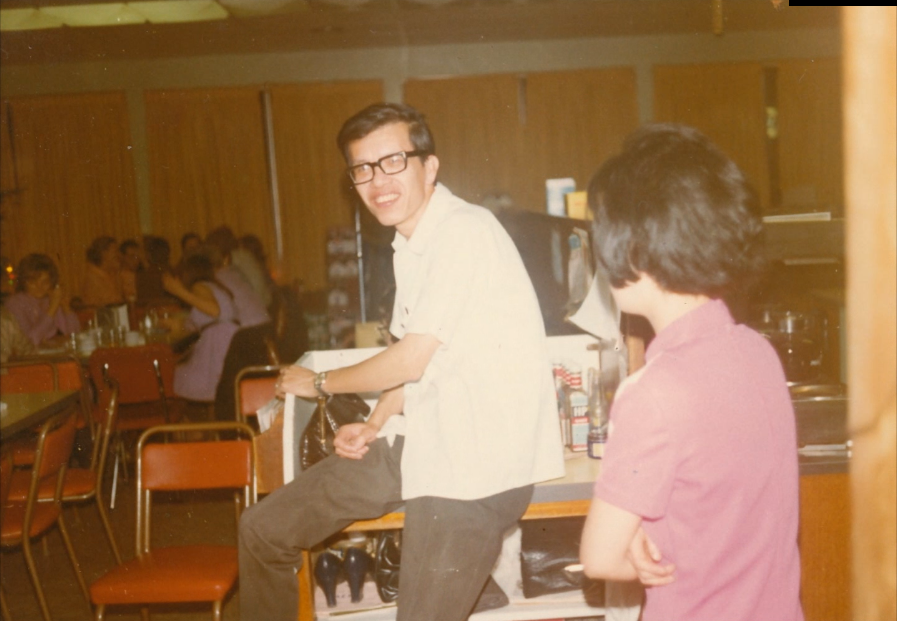
Dad & Mom Chong at the family restaurant
Our family ran the only Chinese restaurant in a small resource and farming town in Alberta. My mother managed the restaurant for over 20 years and forged lasting relationships in the community. Over time, the restaurant became a permanent fixture and a treasure in the collective consciousness. It was a trusted Third Place, outside of the home and work where townsfolk would gather and build community and fellowship.
I am the first generation of my family to have been born in Canada. Red Hair, our people called it, referring to the country itself, owing to the red-haired settlers of British Isles origin. Indeed, Sunnyside was once called New Edinborough as adopted by Scottish settlers in the area.
This story represents many years and generations in the making. For my father, our immigrant story was seen as shameful. As pink-collar workers, our parents and grandparents mourned the loss of opportunity. As children of immigrants, the aspirations of our forebears live with us as the next generation. Our family's story is a part of Canada's living history. And as Treaty People, we continue to build families, relationships, and community together.
Sources
Canadian Encyclopedia
Malaspina University
Chong family oral history