Art from the Heart: Kids’ Valentine’s Exhibition at HSCA

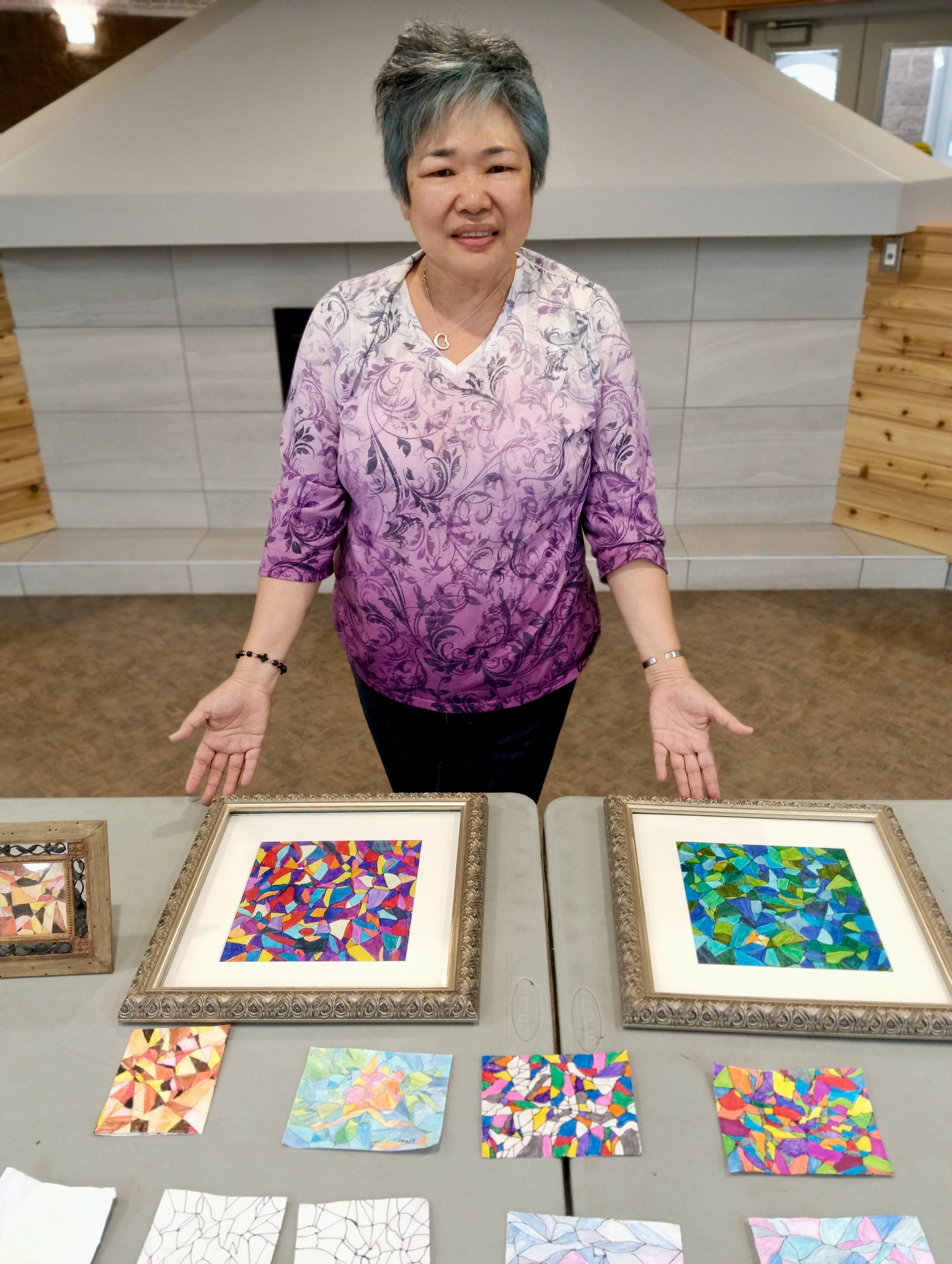
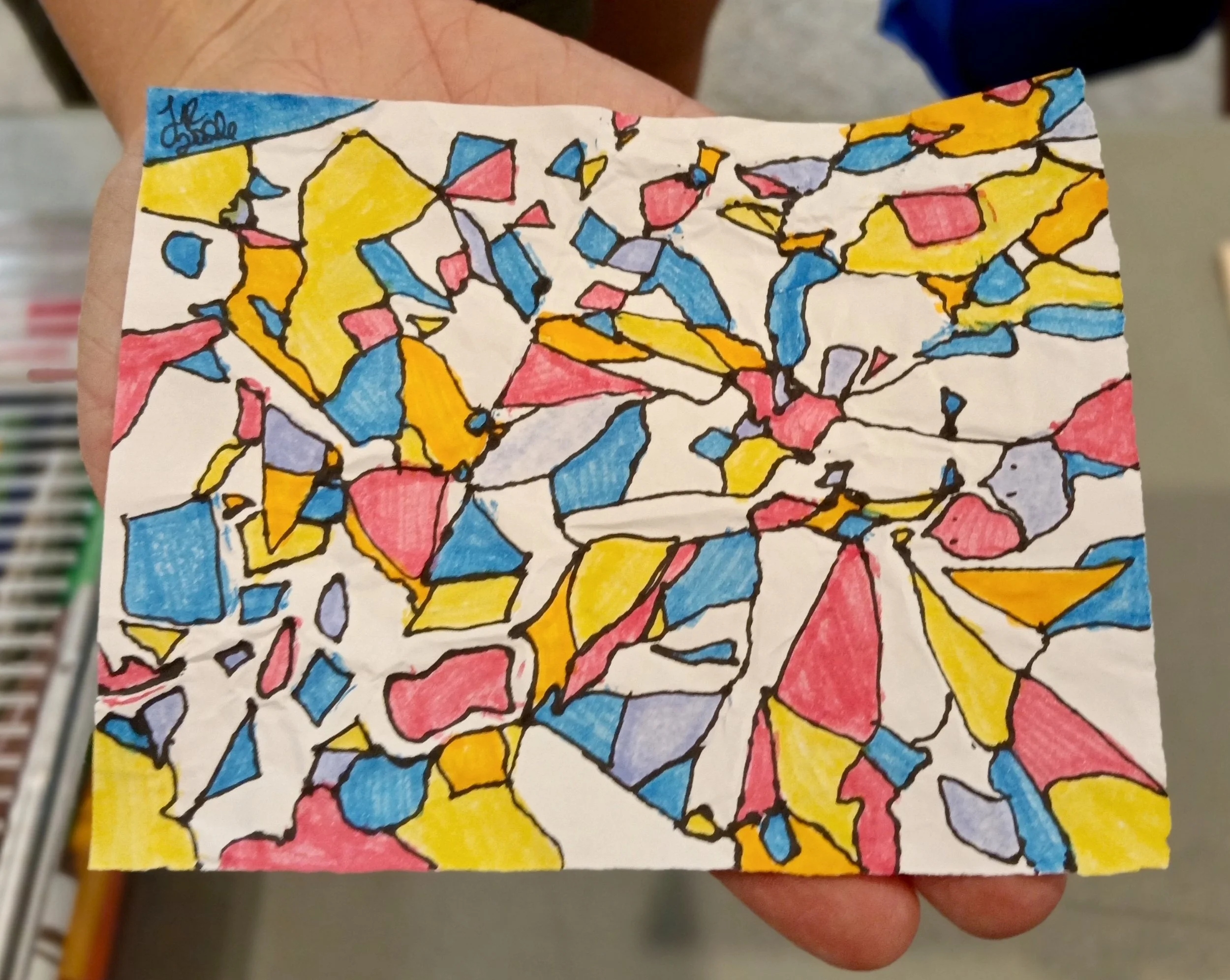
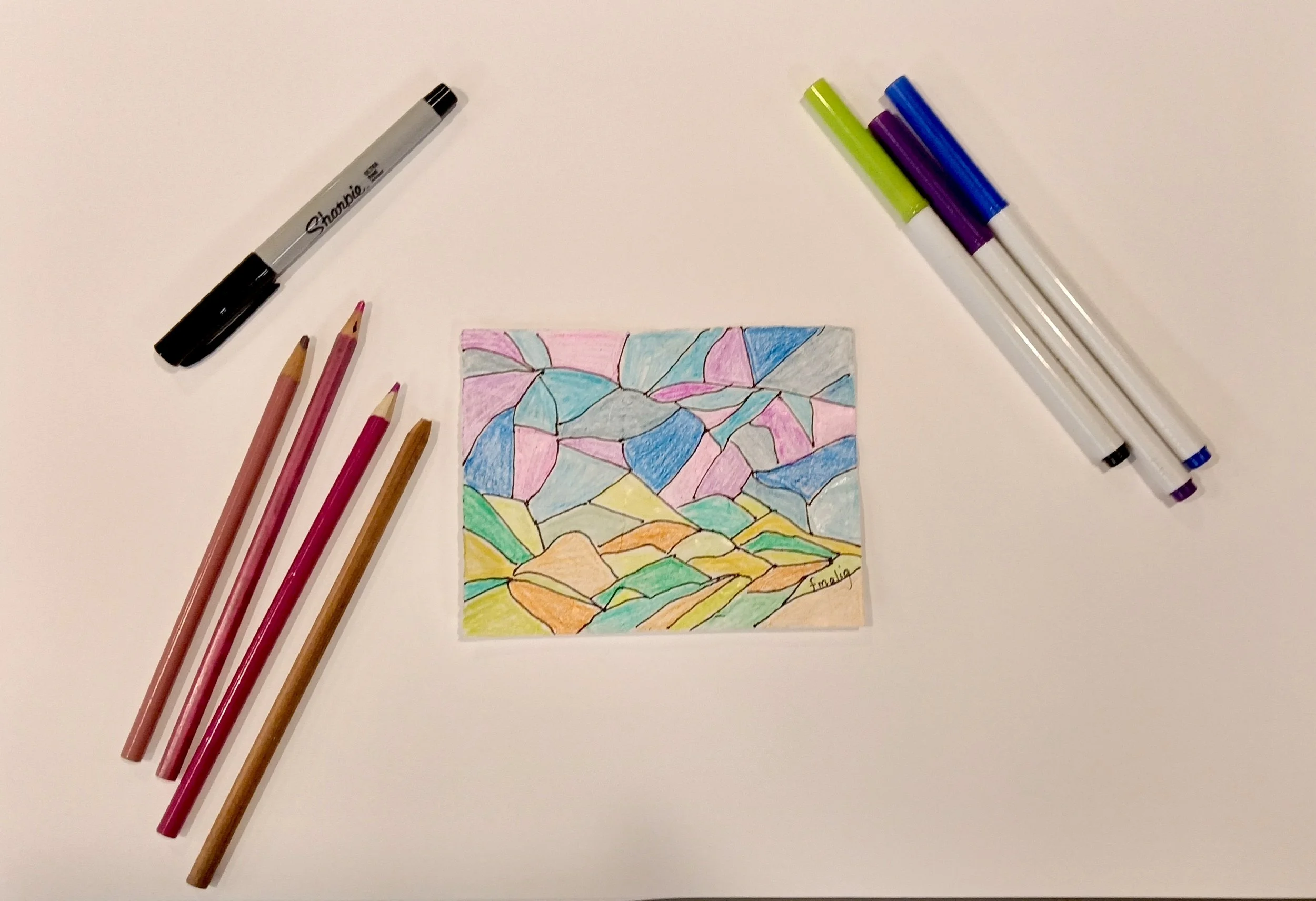
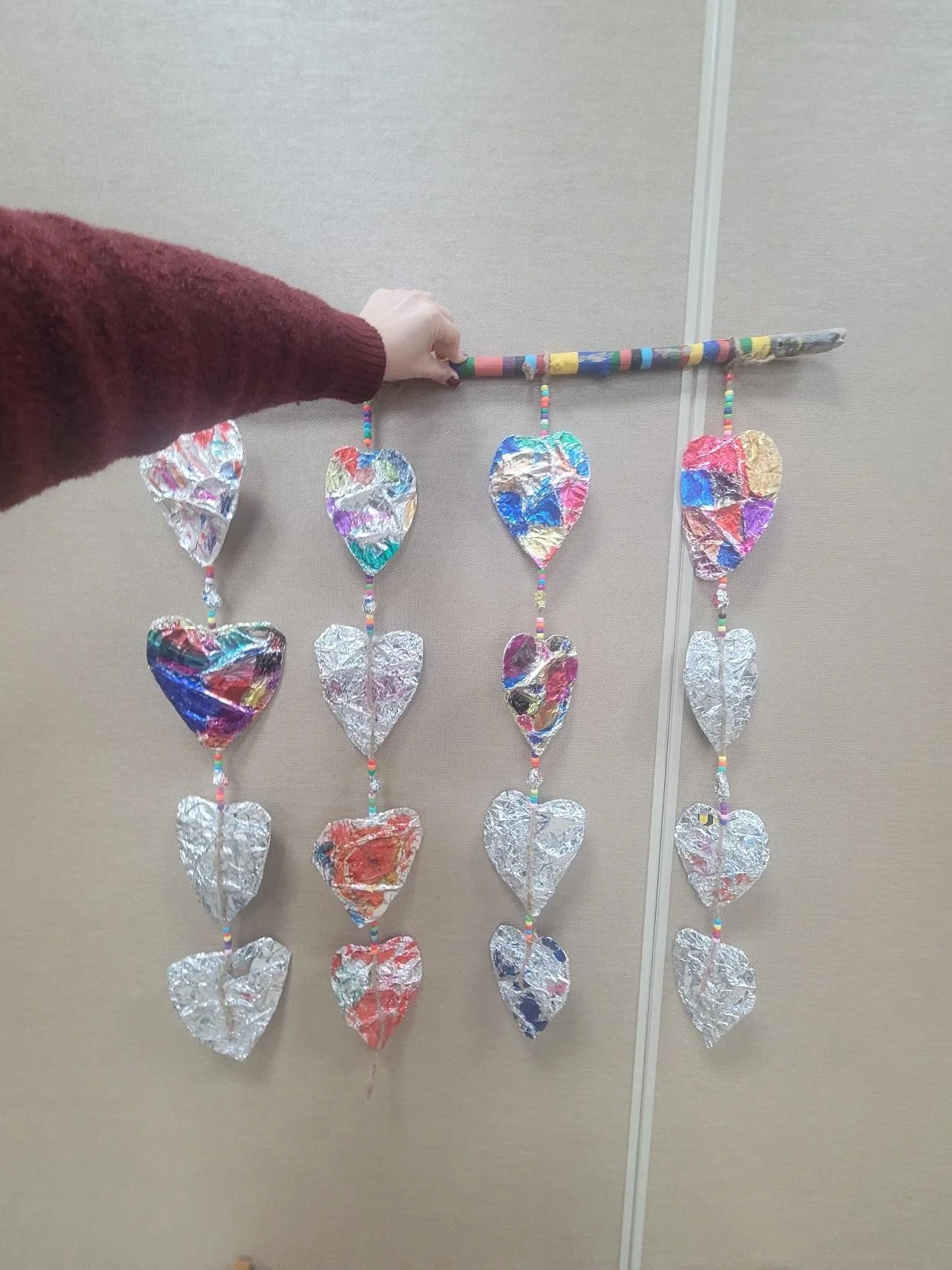
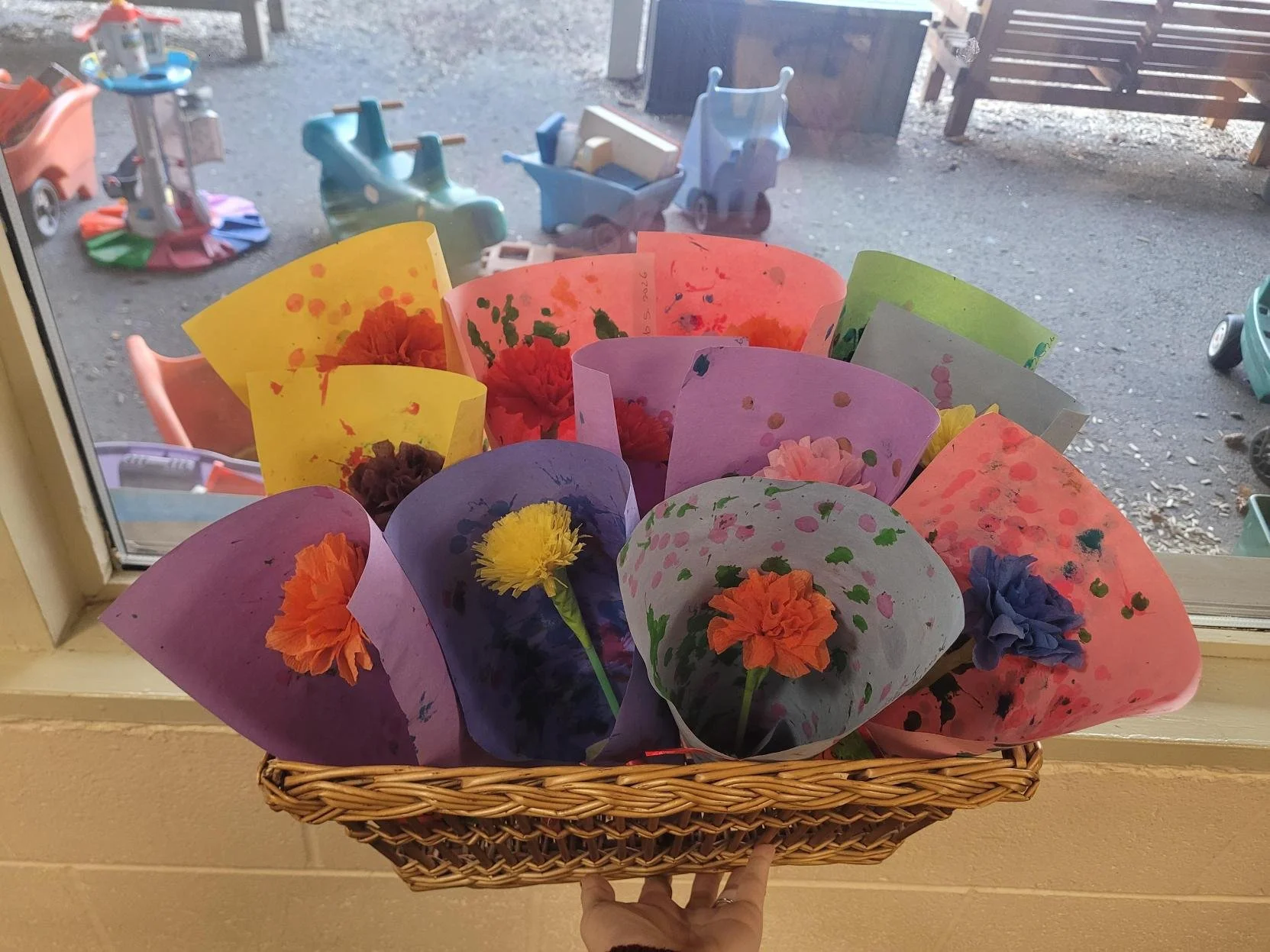
In February, our North Social Hall filled with colour, care, and creativity during HSCA’s Valentine’s Art Exhibition. This special event came together through thoughtful collaboration across our childcare team, who supported children in creating and sharing their artwork with the community during the Farmers’ Market.

The pieces were heartfelt and incredibly creative. Each artwork reflected the time, imagination, and generosity the children brought to the project. Even more meaningful was the purpose behind it. Funds raised from the exhibition support the Fresh Routes Food Security Subsidy, helping ensure individuals and families in our community can access fresh groceries with dignity and choice.

Events like this remind us how interconnected our programs are. Childcare, the Farmers’ Market, and food security initiatives all play a role in building a supportive, welcoming community. Seeing these pieces come together, and watching families and neighbours engage with them, was a lovely example of collaboration in action.

We are so grateful to the children, educators, families, and everyone who stopped by, donated, or took time to appreciate the art. Moments like this show how community care can take many forms, including creativity, collaboration, and small acts of generosity that add up to something meaningful.

March is Community Association Awareness Month

March is Community Association Awareness Month in Calgary. It’s a chance to celebrate the spaces, programs, and people that help our neighbourhoods feel connected and welcoming. HSCA has proudly served the Hillhurst Sunnyside community since 1948. We’re also one of more than 150 community associations across the city working to bring neighbours together through the Federation of Calgary Communities. (FCC, 2026). Together, these local organizations help foster connection, wellbeing, and vibrant neighbourhood life.

Maybe you’ve visited the Farmers’ Market or Flea Market. Maybe your family has been part of childcare programming here. Maybe you’ve joined a program like our new pickleball sessions, volunteered your time, or simply connected with neighbours along the way. However you show up, you’re part of what makes this community strong.

Ways to connect or support HSCA:
• Drop by a program, market, or community event
• Become an HSCA member. Your membership directly supports inclusive community programming: https://www.hsca.ca/membership
• Make a donation to help sustain accessible programs, events, and community initiatives: https://www.hsca.ca/donate
• Volunteer. Even a little time makes a real difference. Visit our Volunteer Connector page or contact Claire.L@hsca.ca
• Subscribe to our e-newsletter to stay connected
• Share your ideas, photos, or community stories with us at communications@hsca.ca

Community associations exist because neighbours show up for one another. Every visit, membership, volunteer hour, and conversation helps keep HSCA welcoming, active, and connected. Thank you for being part of it.

Finding Balance: Understanding Post-Exertional Malaise and the Role of Hypnotherapy 

Community Submissions

By Krista Francis, PhD, RCH 

For many in our community living with Myalgic encephalomyelitis/chronic fatigue syndrome (ME/CFS) or Long COVID (also known as Post-COVID syndrome), daily life can feel like a constant calculation of energy. One of the most challenging aspects of these conditions is a phenomenon known as Post-Exertional Malaise (PEM). Understanding PEM and exploring supportive therapies like hypnotherapy can offer new paths toward management and recovery. 

What is Post-Exertional Malaise (PEM)? 

Post-Exertional Malaise is a hallmark symptom of both CFS and Long COVID. It is defined as a significant worsening of symptoms following physical, mental, cognitive, or emotional effort (Steinacker et al., 2022). Unlike typical tiredness that improves with rest, PEM often involves: 

  • Delayed "Crashes": Fatigue and other symptoms may not appear immediately but can occur hours or days after the triggering activity (Steinacker et al., 2022). 

  • Prolonged Recovery: A PEM "crash" can last for several days or even longer, making traditional rehabilitation—which often focuses on increasing activity—difficult and sometimes counterproductive (Steinacker et al., 2022). 

  • Multi-Organ Impact: Beyond simple exhaustion, PEM can involve neurocognitive impairment (often called "brain fog"), muscle pain, and headaches (Steinacker et al., 2022). 

How Can Hypnotherapy Help? 

While PEM is a physiological challenge, research suggests that hypnotherapy can be a valuable tool in managing the nervous system's response to the condition. 

1. A Tool for Neuroplasticity Hypnosis is defined as a state of consciousness involving focused attention and reduced peripheral awareness that enhances a person's capacity to respond to therapeutic suggestions (De Benedittis, 2022). From a neurobiological perspective, hypnosis acts as a "bridge" that allows us to influence the central and peripheral nervous systems (De Benedittis, 2022). Research indicates that hypnotic states can actually "decouple" certain brain processes, helping the brain process information more efficiently and with less stress (De Benedittis, 2022). 


2. Managing Symptoms and Stress Studies have shown that psychotherapy and hypnosis can have measurable, long-lasting impacts on brain function and metabolism (De Benedittis, 2022). For those with PEM, hypnotherapy can help: 

  • Manage fatigue and pain (Hammond, 2001). 

  • Reduce the "mental drifting" and confusion associated with cognitive impairment (Hammond, 2001). 

  • Regulate the body's stress response, which is crucial since emotional stress can also trigger PEM (De Benedittis, 2022). 

Evidence in Practice: A Case Study 

A notable study detailed the treatment of a 21-year-old CFS patient who suffered from severe cognitive impairments and fatigue (Hammond, 2001). The patient experienced "mental drifting" and exhaustion after just 2-4 hours of activity (Hammond, 2001). 

As part of her treatment, she was trained in self-hypnosis, which she practiced for 3-4 minutes several times a day to manage stress and maintain balance (Hammond, 2001). The results were significant: 

  • She showed considerable improvement in her levels of fatigue, vigor, and mental clarity (Hammond, 2001). 

  • These improvements were not just temporary; they were maintained at follow-up tests 5, 7, and 9 months later (Hammond, 2001). 

A Path Forward 

Living with PEM requires a careful strategy, often involving "pacing" to avoid crashes (Steinacker et al., 2022). Incorporating hypnotherapy or self-hypnosis training can provide an additional layer of support, helping to harmonize the brain's activity and improve overall quality of life. If you are struggling with Long COVID or CFS, consider speaking with a professional about how these mind-body techniques might support your specific journey toward health. 

Thank you, A, for asking me to write about this topic. If you have a topic you'd like me to write about, feel free to contact me at hello@kristafrancis.ca 

References 

De Benedittis, G. (2022). The potential role of hypnosis and neurofeedback in linking neuroscience to psychotherapy. The International Journal of Clinical and Experimental Hypnosis.  

Hammond, D. C. (2001). Treatment of chronic fatigue with neurofeedback and self-hypnosis. NeuroRehabilitation, 16(4), 295-300.  

Steinacker, J. M., Kirsten, J., Schulz, S. V. W., Jerg, A., Kersten, J., Matits, L., & Schellenberg, J. (2022). Rehabilitation after COVID-19 – the challenge of post-COVID syndrome with post-exertional malaise. German Journal of Sports Medicine, 73(5), 163-166. https://doi.org/10.5960/dzsm.2022.539  

Join Us for HSCA’s AGM & Community Open House

Tuesday, April 28, 2026 | In Person @ HSCA

Spring always brings a fresh energy to the community, and at HSCA it is also when we gather together for our Annual General Meeting and Open House.

Whether you are curious about what is happening at HSCA, interested in shaping the future of our neighbourhood, or simply want to connect with neighbours, we would love to see you there!

Community Open House

5:30 pm onward | Drop in anytime

Pop in, say hello, and enjoy a relaxed evening at HSCA. Meet staff and Board members, connect with neighbours, learn more about programs and initiatives, and enjoy light snacks and beverages.

No registration required. Just come by.

Annual General Meeting

6:00 pm start | In person

The AGM is the business portion of the evening and includes Board elections and Association updates.

Pre-registration is required to attend the AGM. Please register at hsca.ca/agm by Tuesday, April 21, 2026.

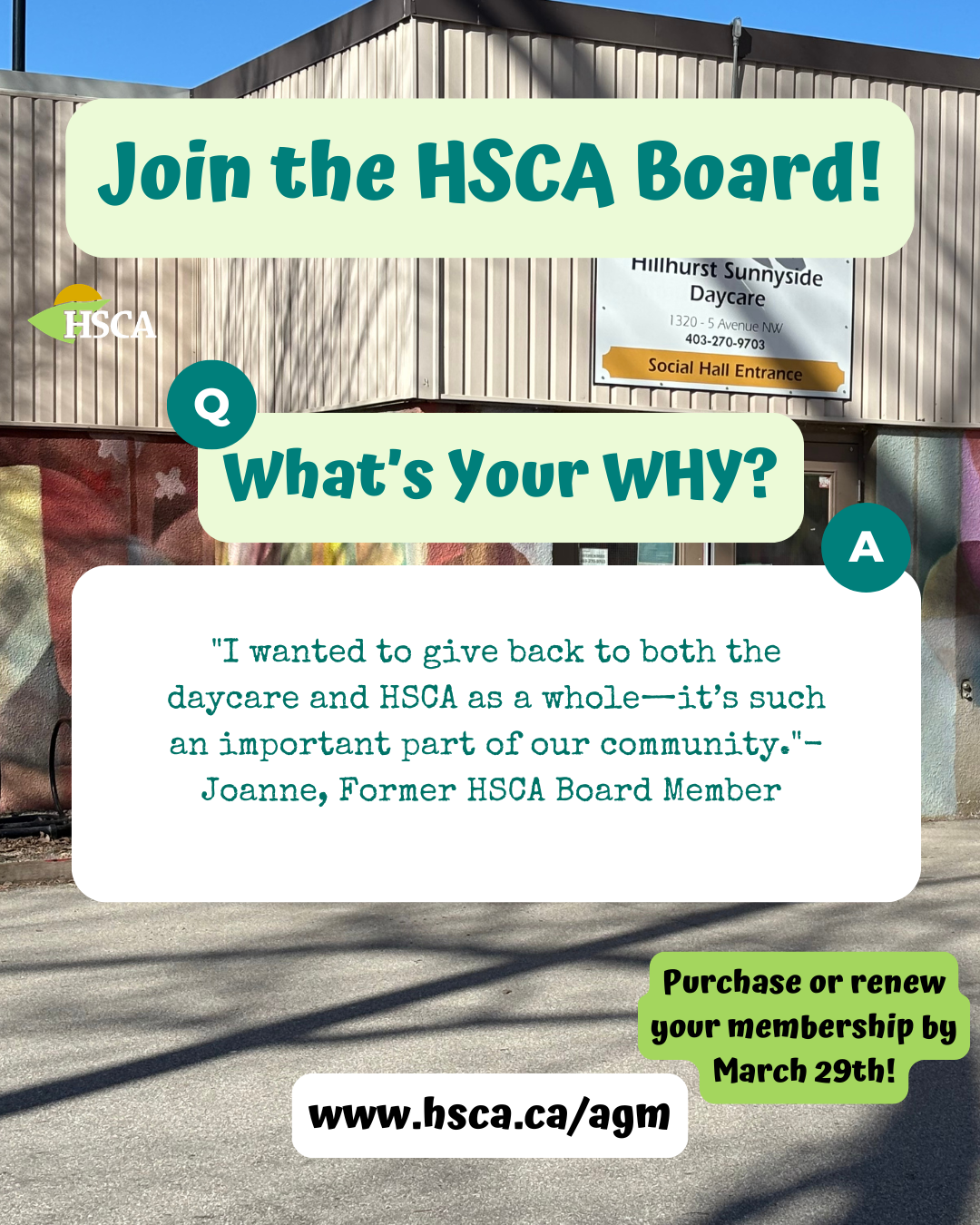
To vote or run for a Board position, your HSCA Membership must be active at least 30 days prior to the AGM. The membership renewal deadline is March 29, 2026. Memberships can be purchased at hsca.ca/membership.

Interested in Joining the HSCA Board?

Serving on the Board of Directors is a meaningful way to contribute to the Hillhurst Sunnyside community. The Board helps guide the direction of the Association, supports long-term planning, and works collaboratively to ensure HSCA continues to thrive.

We are looking for engaged community members who are interested in non-profit governance and giving back locally. To run for the Board, you must be a Hillhurst Sunnyside resident with a valid HSCA Membership.

To learn more or express your interest, please visit hsca.ca/agm and review the Prospective Board Member Handbook.

We hope you will join us on April 28 to connect, learn, and be part of the ongoing work of our community.

Compost Commons: Learn, Share, and Grow Together

Compost Commons Starts March 3 🌱

Curious about composting? Already have a bin but not sure it’s working quite right? Or just looking to connect with neighbours around sustainability?

Compost Commons is a FREE community program where people of all ages and experience levels come together to learn about composting, ask questions, and share resources in a relaxed, welcoming space.

Hosted by Karuna Compost, the sessions focus on hands-on learning, peer exchange, and practical support for home and community composting. No experience needed. Just curiosity.

Where

Hillhurst Sunnyside Community Association (HSCA) – Hearth Room

When

Select Tuesdays, 6–8 pm (see dates below).
You can also check our program and recreation calendar for upcoming sessions and updates.

REGISTER

Please register through the HSCA Amilia store to view full session details and confirm your spot.

Upcoming dates:
March 3
March 17
March 31
April 14
(No session April 28)
May 12
May 26
June 2

Please register through the HSCA Amilia store so we can plan accordingly. You are welcome to stay for the full evening or drop in for part of it.

What Happens at Compost Commons?

Each gathering evolves based on who’s there, the season, and what people are curious about. Some sessions may include:

• Composting support for backyard bins and worm systems
• Compost kits and materials exchange
• Soil life exploration and informal microscopy
• Short demos and practical composting tips
• Community knowledge sharing

Composting is not just about reducing waste. It connects us to our food, our soil, and each other. Whether you are brand new or have been composting for years, there is space for you here.

We hope to see you there!

Membership Spotlight: Welcome Haewon RMT


We’re excited to welcome Haewon RMT as HSCA’s newest Membership Partner.

HSCA Members Receive 10% Off Massage Services

This exclusive savings is available to all current Hillhurst Sunnyside Community Association members.

HSCA Members: Access booking details and redemption information here:

https://www.massagebook.com/haewonrmt-/massage/deals/Hillhurst-and-Sunnyside-community-association-discount/195162


Supporting local businesses that prioritize wellness and community care is an important part of our membership program, and we’re pleased to have Haewon RMT join our growing network of neighbourhood partners.

Below is a message shared directly by Haewon RMT. To learn more or to book an appointment, please visit their website or connect with them directly.

About Haewon RMT

My name is Haewon, and I am a Registered Massage Therapist proudly serving the Calgary community. I created Haewon RMT with the intention of providing warm, personalized care that helps people move better, feel better, and experience lasting relief from everyday physical stress.

My primary practice is a quiet, professional clinic space in the neighborhood, designed to help clients fully relax and focus on their healing. The treatment room offers a calm, private environment where each session is tailored to the individual — whether they are managing chronic tension, recovering from injury, or prioritizing their overall wellness.

Care That Meets You Where You Are

While most treatments take place in my clinic, I understand that accessibility looks different for everyone. For those with limited mobility or unique circumstances, I also offer mobile massage services to help reduce barriers to care whenever possible. My goal is simple: to make high-quality treatment approachable, supportive, and centered around each client’s needs.

Why Community Matters

Strong communities help people feel supported, connected, and cared for — and wellness is an important part of that foundation. I believe healthcare providers should be active participants in the neighbourhoods they serve, and I look forward to building meaningful relationships within Hillhurst Sunnyside.

To support local residents, I’m pleased to offer 10% off massage services for Hillhurst Sunnyside Community Association members.

Thank you again for the opportunity to be part of this wonderful community. I look forward to meeting many of you and contributing to the health and wellbeing of the neighbourhood.

Warmly,
Haewon
Registered Massage Therapist
Haewon RMT

City of Calgary Stage 4 Water Restrictions Begin March

Beginning March 9, 2026, the City of Calgary will implement Stage 4 water restrictions while critical infrastructure work takes place on the Bearspaw South Feeder Main.

Both outdoor water restrictions and indoor conservation measures will be in effect to help ensure there is enough water available for essential services across the city.

We encourage all Hillhurst Sunnyside residents and businesses to review the full details directly from the City of Calgary website:

https://www.calgary.ca/planning/water/bearspaw-feeder-main/water-restrictions.html

This page includes up-to-date information on what is permitted, what is prohibited, and how residents can reduce water use during this period.

Hoping They'll Change

Mental Health Moment

Nancy Bergeron, R.Psych. | info@nancybergeron.ca

 Staying in Relationships Thinking the Other Person Will Change, Now What?

In romantic relationships, the hope that someone will change is incredibly common, and very human. Here’s the why:

We fall in love with potential, not just reality. Early connection, chemistry, and shared dreams can make us focus on who someone could be rather than who they consistently are.

Love activates optimism and attachment. Attachment bonds naturally create hope. Our nervous system prefers security over loss, so we hold onto the idea that change will come rather than face the pain of disappointment or separation.

We confuse influence with control. Healthy relationships do involve growth and compromise, but that can slide into the belief that love, patience, or suffering will eventually motivate change in areas that are actually character-based or deeply ingrained.

Familiar patterns feel safer than unfamiliar outcomes. Even dissatisfaction can feel safer than the uncertainty of leaving—especially if someone grew up adapting to others or earning love by tolerating discomfort.

Cultural narratives reinforce it. We’re taught that love “fixes,” that commitment means endurance, and that leaving equals failure rather than discernment.

Acceptance doesn’t mean approval. It means clearly seeing who someone is right now, and asking: Can I live peacefully with this if it never changes? If the answer is no, the work isn’t to force acceptance—it’s to honor that truth. Real intimacy grows when we choose people for who they are, not who we hope they’ll become.


Here are practical ways to shift your inner narration and cultivate acceptance of your partner—without abandoning your own needs or values (unless the situation is unsafe or abusive):

1. Separate “preferences” from “deal-breakers”

Narration shift: “I don’t like this” to… “This is uncomfortable, but not unsafe or violating.”

2. Replace fantasy with reality statements

Narration shift: “They would be perfect if…” to… “This is who they are today, consistently.”

3. Translate irritation into meaning

Ask: What does this trigger in me; fear, unmet needs, old wounds?

Narration shift: “They’re the problem” to… “This brings up something important in me.”

4. Use compassion without justification

Narration shift: “They shouldn’t be this way” to… “I can understand why they’re this way, without agreeing or excusing.”

5. Practice present-tense acceptance language

Use phrases like: “This is what’s here right now.” or… “I don’t have to solve this today.”

6. Stop future-bargaining

Narration shift: “Once X happens, then I’ll be okay” to… “If nothing changes, how do I feel about this life?”

7. Name your choice clearly

Narration shift: “I’m stuck” to… “I am choosing to stay for now, with eyes open.”

Choice restores agency and reduces resentment

8. Practice grief, not resistance

Acceptance often requires grieving the partner you hoped for.

Narration shift: “This shouldn’t hurt” to… “Of course this hurts.”

9. Anchor acceptance in boundaries

Narration shift: “I have to accept everything” to… “I accept who they are and I choose how close I stand.”

10. Use curiosity over judgment.

Narration shift: “They’re wrong” to… “This is different from me—what does that mean for us?”


WHAT IS QIGONG? A GENTLE PRACTICE FOR BODY & MIND

Qigong (pronounced chee-gong) is a centuries-old movement practice that combines slow, intentional motions, breathwork, and focused attention. Often described as meditation in motion, qigong offers a calm, accessible way to move the body while bringing awareness to the breath. 

Unlike more vigorous forms of exercise, qigong emphasizes ease and attentiveness. Movements are gentle and controlled, encouraging balance, posture, coordination, and joint mobility, while also creating space for relaxation and mental clarity. Many people are drawn to qigong as a way to slow down, reset, and reconnect with their bodies in a supportive environment. 

Research highlighted by Harvard Health Publishing (2025) suggests that gentle, mindful movement practices, including qigong, may support relaxation, balance, and overall wellbeing as part of a regular routine. 

This winter, HSCA is excited to offer weekly Qigong classes led by instructor Nancy Hong, who brings over 20 years of experience practicing qigong and yoga. Nancy’s classes focus on helping participants release tension, connect with the breath, and move in a way that feels grounded, welcoming, and accessible to all experience levels. 

Whether you’re curious about mindfulness, looking for gentle movement, or simply seeking an hour in your week to slow down, qigong offers a welcoming place to begin. 

QIGONG AT HSCA — AT A GLANCE 

When: Thursdays, 1–2 p.m. 
Dates: January 15 – March 12, 2026 
(No class February 12) 
Cost: $12 per class 
Members: HSCA members save 10% 
Who: Open to all ages and experience levels 
Instructor: Nancy Hong.  

To pre-register and learn more visit www.hsca.ca/qigong 

HSCA Spotlight: Meet Martin

If you’ve spent time at our Farmers’ Market, taken part in a food program, or wandered through one of our community gardens, chances are you’ve seen Martin around. With a calm, welcoming presence and a deep appreciation for people and connection, Martin plays an important role in helping these community spaces come to life. 

What’s your role at HSCA? 
I work with HSCA’s Farmers’ Market, Food Programs, and Community Gardens, supporting the coordination of these programs and helping create welcoming, community-centred spaces around food and connection. 

Ask me more about… 
Music, travel, food, and non-profit and charity work. 

What’s your favourite part about HSCA or the Hillhurst Sunnyside community? 
The people — it’s all about the great people of this united community. 

What inspires you? 
Purpose, compassion, sincerity, kindness, and hope. 

What does community mean to you? 
A collective group of like-minded people watching out for each other and sharing life’s little moments. 

Finish this sentence: “On Saturday mornings, you can usually find me…” 
Reviewing a brand-new album for CJSW radio with a croissant and a coffee. 

Next time you’re browsing the market, keep an eye out for Martin and say hello! 

Caring for an Aging Parent: Strategies For When The Going Gets Tough 

Submitted by Nancy Bergeron, R.Psych | info@nancybergeron.ca 

Mental Health Moment 

Emotional Strategies (Inner Work & Regulation) 

1. Acknowledge Complex Feelings 

  • Allow yourself to feel grief, anger, guilt, resentment, or sadness — without judgment. Write or talk about your emotions rather than suppressing them. “It’s okay to love my parent and still feel hurt by them.” 

2. Release the Hope for Transformation 

Accept that your parent may never change, apologize, or become kind. Focus on who you want to be in this relationship — not who you wish they were. Acceptance is not approval — it’s choosing peace over constant disappointment. 

3. Separate Compassion from Tolerance 

Compassion = understanding their limitations and pain. Tolerance = letting them mistreat you. You can have empathy while maintaining strong boundaries. 

4. Name and Limit Emotional Triggers 

Identify patterns that consistently lead to hurt (e.g., criticism, manipulation, guilt trips). Develop calm exit strategies when tension rises (“I need to step out for a minute,” or “Let’s talk later.”) 

5. Practice Grounding Techniques 

Use breathing exercises, mindfulness, or sensory grounding before and after visits. Create “emotional decompression rituals” — e.g., a walk, journaling, or music after caregiving tasks. 

6. Reframe Your Role 

Instead of “being the good child,” think of yourself as a care coordinator — doing what’s necessary, not what’s emotionally reciprocal. This mental shift reduces guilt and over-responsibility. 


7. Find Validation Outside the Relationship 

Seek empathy and support from friends, therapy, or caregiver groups. Don’t expect emotional reciprocity from your parent; that’s not where healing will come from. 


Situational Strategies (Practical Boundaries & Care Structures) 

1. Clarify What You Can and Cannot Do 

Define your caregiving “job description.” Example: “I manage their medication and groceries, but I can’t handle daily visits.” Say it out loud, write it down, and share with other family members if needed. 

2. Establish Firm Communication Boundaries 

Limit exposure to verbal abuse or manipulation. End conversations that become cruel or degrading: “I’m not willing to be spoken to that way. I’ll come back when you’re ready to talk respectfully.” 

3. Use Neutral, Brief Responses 

When provoked, respond with calm neutrality (“I hear you,” “That’s your opinion,” “Okay”). Avoid arguing, explaining, or defending — it fuels conflict. 

4. Set Structured Routines 

Predictability helps both you and your parent. Schedule visits or calls at consistent times to minimize last-minute demands. 

5. Engage Outside Help When Possible 

Look into: Home care aides or respite programs, adult day centers, geriatric care managers, volunteer respite programs or faith-based support. Even a few hours of relief can help you sustain caregiving long-term. 

6. Protect Your Physical Space 

If your parent lives with you, designate “off-limits” areas or private times. If you live separately, establish boundaries around unannounced visits or excessive calls. 

7. Use Written Communication for Sensitive Topics 

For logistics (medications, finances, appointments), use texts or emails — it reduces emotional escalation and provides a record. 

8. Plan for Respite and Breaks 

Schedule non-negotiable downtime — a full day or weekend off every few weeks. Even short breaks prevent burnout and resentment. 

9. Involve Professionals for Tough Conversations 

Use a doctor, social worker, or counselor to mediate when your parent refuses help or denies issues. Hearing it from a professional, lands better than hearing it from a child. 

10. Prepare for Emotional Pushback 

Difficult parents often use guilt, martyrdom, or control when they feel powerless. Recognize it as fear, not truth. “They’re scared of losing control — that’s not mine to fix.” 

Your Rights as a Victim of Crime in Alberta: A Simple, Real-Life Guide

Community Submission- By Sara Sicherman 

A plain-language breakdown for Hillhurst-Sunnyside and Calgary residents 

When you or someone you care about is impacted by crime, one of the first feelings is often uncertainty: What happens next? How long should I wait? Can I ask questions? Who do I ask? Does anyone actually care what I need? 

Navigating the justice system can feel like being dropped into a foreign country without a map. The signs don’t make sense, the timeline moves at glacial speed, and the language is a hybrid between legalese and pay-walled chaos. You shouldn’t need a law degree to decode a system built to serve the public, especially when you’re already navigating a stressful situation. 

Trust me, I get it. But who am I?  

Hi - I’m Sara. 

(Photo Credit: Heidi Grace Photography) 

I’m a criminal lawyer and legal consultant based right here in Calgary, in fact, I’m a Sunnyside resident myself. I earned my law degree at UCalgary Law, and before launching my own practice, I spent five years working as a Crown Prosecutor here in Calgary. I handled files ranging from intimate partner violence to sexual violence to child abuse, and everything in between. 

I’ve learned the ins, outs, and upside-downs of the criminal justice system through my work and through my own personal experiences. Those challenges I mentioned above (and then some) lit a fire under me that ultimately led me to leave prosecution and launch Justice Pathway in January 2025. 

But that’s enough about me! Let’s talk about what you’re here for: understanding your rights as a victim of crime in Alberta. 

Below is a simple, plain-language overview of your key rights as a victim of crime in Alberta, grounded in two pieces of legislation: the Alberta Victims of Crime and Public Safety Act and the Canadian Victims Bill of Rights (part of the Criminal Code of Canada framework).  

You don’t need to memorize legal language to understand what you’re entitled to- you just need the right translation. Let’s get into it.   

The Big Four: Information, Participation, Protection, and Support  

1. Right to Information 

What the law says: You have the right to receive timely information about your case, the justice process, and available support services. 

Real-life meaning: 
This means the system can’t treat you like an outsider to your own case. You’re allowed to know what’s happening, even before charges are laid. 

Examples you might hear in a neighbourhood setting: 

  • “Has the accused been released from custody?” 

  • “What conditions are in place to keep them away from me or my family?” 

  • “When is the next court date, and what type of appearance is it?” 

  • “Who is the Crown prosecutor assigned to the file?” 

Practical example: 
Your child was a witness to a crime at Riley Park, and the accused has since been released. You are entitled to ask: 

“Do they have a no-contact or no-go order, and how far do they have to stay away from us?” 

You can also ask for updates through: 

  • The Crown’s office 

  • Victim Services Alberta  

  • Calgary Police Service - Victim Assistance Support Team  

The system’s job is to inform you. Not the other way around.  

 
**Real Talk Note: This is what should happen, but in practice, it doesn’t always go that way. Many of my clients came to me because they hadn’t heard anything and had no idea who to contact or where to turn. If this has been your experience, you’re not alone. 

2. Right to Participation 

What the law says: You have the right to share your views, ask questions, and be considered in key decisions (like peace bond conditions or publication ban choices). You can also attend court proceedings. 

Real-life meaning: 
You are not passive in this process. You are allowed to have a voice, and the system must consider it in decisions that impact your safety or privacy. 

Examples: 

  • Publication ban: Don’t want your name published? You can request one.  

  • Note: Some bans are automatic, especially for vulnerable victims/witnesses in sexual offence cases, young persons, and certain sensitive pre-trial hearings. 

  • Release conditions: If the accused lives or works near you, you can say: “I want a 100-metre no-go around my home and workplace.” (Many conditions are in place from the start, but you can also ask about adding, changing, or removing them.) 

  • Victim Impact Statement: If a case moves forward to sentencing, you can file a Victim Impact Statement explaining how the crime affected you emotionally, physically, financially, and socially. 

Practical example: 
Your partner assaulted you and CPS is now involved. You can tell the prosecutor: 

“I want to be consulted before any resolution is reached. I don’t want any contact at all with my partner. Please update me if anything changes.”  

Participation can be as simple as being asked what you need and being allowed to say it - in everyday words. 

 
**Real Talk Note: Again, this is how it’s supposed to work. But many people reach out to me because they don’t feel heard or they don’t feel their wishes are being canvassed. Sometimes they need someone in their corner to break down what’s happening and advocate for them in a system that can be intimidating to stand up to. Your wishes may not always determine the final outcome, but your voice matters and deserves to be heard. 

3. Right to Protection 

What the law says: You have the right to reasonable safety measures, privacy considerations, and protection from intimidation or retaliation. 

Real-life meaning: 
Safety isn’t just about physical distance - it includes emotional and digital (online) safety too. 

Examples: 

  • No-contact order: The accused is messaging you from unknown accounts, trying to pressure you to drop charges? You can report this and ask the police to enforce the no-contact order. 

  • Safe testimony: If you were subpoenaed to testify, you may qualify for accommodations such as: 

  • A physical barrier in place between you (while at the witness stand) and the accused 

  • In some cases, testifying from another room  

  • In cases of intimate partner violence, HomeFront also has a remote testimony room located in their office downtown Calgary. 

  • A support person sitting beside you (or a support dog!) 

  • For child witnesses: The Luna Centre also offers court therapy tools and prep, and organizations like the Canadian Child Abuse Association offer programs to help children and their families prepare for the court process 

Practical example: 
The accused is your ex-partner, and seeing them while you testify would make it harder to speak freely or honestly. You ask the prosecutor to get permission from the judge for you to give evidence from the protected space at the HomeFront Remote Testimony Room instead of the main courtroom.  

“I can’t speak freely if they’re staring at me. I want to give my evidence from the HomeFront testimony room, by video.” 

Protection also means: 

  • You shouldn’t have to cross paths with your accused on 10th Street 

  • You shouldn’t be forced to retell traumatic details without support 

  • You get to decide if you want your identity shielded in media 

The law expects the system to take steps to keep you safe, protect your privacy, and respond when boundaries are crossed. 

 
**Real Talk Note: These protections usually require the prosecutor to file a formal application to the judge. That’s why it helps to make your request early – ideally as soon as charges move forward or testimony becomes likely. The Crown may ask for background information to support the application. That’s not you having to “prove yourself” – it’s simply what the court needs to approve the protections you’re already entitled to ask for. 

4. Right to Support 

What the law says: You have the right to access support services, emotional assistance, and resources to help you through the justice process. 

Real-life meaning: 
You’re not expected to navigate trauma or process alone. There are publicly funded and community based supports available to you and you are encouraged to access them. 

Examples of supports frequently accessed in Calgary communities include: 

  • Find more helpful links & resources here and answers to frequently asked questions regarding the criminal justice system here 

Practical examples: 

  • You had to take unpaid time off work due to trauma. You can ask if victim compensation applies for lost wages or counselling receipts. 

  • You’re anxious about safety plans or court appearances. You can request a victim-support liaison or system-navigation support through community organizations or independent services. 

Healing and justice support isn’t weakness - it’s literally written into your rights.  

Final Thoughts 

If you or a loved one is a victim of crime in Alberta, remember: 

  1. You are entitled to updates  

  2. You are allowed to have a voice 

  3. You deserve safety and privacy 

  4. You don’t go through this alone 

Knowing your rights = self-care. 

HSCA Spotlight: Meet HSCA’s New Executive Director, Joe-Ann 

We’re so happy to welcome Joe-Ann Schlosser to the HSCA team and community. Many of you have already bumped into her in the halls or at programs — and you’ve likely noticed the warmth and genuine curiosity she brings with her. Over the past while, Joe-Ann has been getting to know our spaces, meeting staff and neighbours, and joining in on programs to better understand the heartbeat of HSCA. 

As part of our HSCA Spotlight series, we asked Joe-Ann a few quick questions about community, inspiration, and the little moments that keep her moving forward each day. Here’s what she shared (in 5 questions or less!) 

These responses come from a short sit-down Spotlight interview we filmed with Joe-Ann. If you’d like to watch the video version, you can find it on HSCA’s Instagram and Facebook. 

1. What does community mean to you? 

“Community means that family — that family who supports you, that family who loves you for who you are, and the family who is your biggest champion in bringing out the best in you.” 

2. What inspires you? 

“Young people… all ages — teenagers to really little ones, like one- and two-year-olds — because they look at the world very creatively. 
They look at the world with a pure sense, and I have to remind myself that that’s what I need to be always looking through my lenses: what makes sense, what is pure, and remembering the joy.” 

3. What’s something that made you smile recently? 

“The privilege of touring the Centre — meeting all the staff, meeting the patrons, and seeing the joy when they share what they do with such passion — has truly made me smile. And the little kids, too, showing me a craft they made with a big grin and a wave. It’s been such a warm welcome, and I really have been walking around with a smile on my face. I’m excited for the opportunities that lie ahead for us here.”

4. What gets you out of bed every morning? 

“Okay… so every morning, what gets me out of bed is that I’m grateful for another day to live at my best. 
And what I really love is the people I meet, what I have on my agenda to do, and what happens in a day when I’m open — it’s always exciting. 

I’m learning, I’m meeting new challenges, meeting new people and opportunities. And I end my day grateful for what I did. 
I’ve always learned something, and I’m excited the next morning to be curious and learn more.” 


A Big HSCA Shout-Out & Staff Appreciation Recap

Last week, our team gathered for a much-needed Staff Appreciation Party — a chance to pause, connect across departments, and celebrate another year of serving our community together. We were thrilled to host the event at the Kensington Legion, whose hospitality, delicious spread, and welcoming space helped make the evening feel extra special.

We shared stories, played games, enjoyed some laughs, and welcomed HSCA’s new Executive Director, Joe-Ann Schlosser, who jumped right into the fun and got to enjoy some of the vibes with the team.

A heartfelt thank you to our AMAZING HSCA Membership Partners for generously donating gifts that made the evening even brighter:
Good Trade Coffee Co
🍜 Pho House
🍎 Sunny Cider
🍷 Vine Styles

Thank you! Your support truly added a bright, generous touch to our celebration and we are so grateful to have you part of our Membership Partner program!

Here are a few snapshots from the night, capturing the smiles, the moments, and the community spirit that make HSCA such a special place to be. ❤️

Self-Care Through the Holiday Season 

Mental Health Moment 

By Nancy Bergeron, R.Psych | info@nancybergeron.ca 

Self-Care Through the Holiday Season 

The holiday season often arrives with a mix of excitement and exhaustion. Between family gatherings, financial pressures, and the weight of expectations, it’s easy to lose sight of your own well-being. Yet caring for yourself—body, mind, and spirit—is one of the most meaningful ways to experience the season with more peace and joy. 

Here are some simple ways to stay grounded and well through the holidays. 

1. Slow Down and Simplify 

The holiday rush can make even meaningful traditions feel like chores. This year, consider doing less so you can enjoy more. 

Ask yourself: 

  • What truly brings me joy or connection? 

  • What could I let go of this year? 
    Simplifying plans, menus, or gift lists can make space for rest, laughter, and moments of genuine presence. 

2. Nourish Your Body with Care 

Cold weather, busy schedules, and rich food can leave you feeling depleted. Instead of striving for perfection, focus on gentle balance. 

Eat regularly, stay hydrated, and make time for movement—even a short walk outside helps reset your nervous system. Rest when you can. Your body is not a machine; it’s your home. 

3. Set Emotional Boundaries 

The holidays often highlight complicated relationships. You have the right to protect your emotional energy. 

It’s okay to say “no,” leave early, or change plans that don’t feel right. 

Boundaries aren’t unkind—they’re how we create safety and preserve the capacity to show up with love where it matters most. 

4. Stay Connected to What Matters 

Amid the noise and marketing, take moments to remember what feels meaningful to you. 

That might be spiritual reflection, gratitude, giving, or time in nature. Meaning doesn’t come from doing more—it comes from doing what aligns with your heart. 

5. Mind Your Inner Dialogue 

Many people carry silent stress about doing the holidays “right.” Notice the voice of pressure or guilt, and replace it with compassion. 

Instead of, “I should be happier,” try, “It’s okay to feel however I feel today.” 

Self-kindness softens expectations and makes room for authentic joy. 

6. Create Restorative Moments 

Small, intentional pauses can have a big impact: 

  • Light a candle and breathe deeply for one minute. 

  • Step outside and notice the winter air. 

  • Write down one thing you’re grateful for each day. 
    These simple rituals help your mind and body reset amid the busyness. 

7. Ask for Support When You Need It 

If the holidays stir up grief, loneliness, or old wounds, you don’t have to face it alone. Reach out to a trusted friend, support group, or therapist. 

Sometimes the bravest thing you can do is acknowledge that you’re struggling and allow others to meet you there. 

8. End the Year with Reflection, Not Resolution 

Before jumping into goals for the new year, pause to reflect. 

What did you learn? What moments mattered most? What are you ready to release? 

Reflection honors your growth and sets the stage for gentle, sustainable change—no pressure required. 

For further ways to manage the Holidays; check out My Holiday wellness Collection in the articles section at nancybergeron.ca 


Give the Gift of Fresh Food This Holiday Season: Support HSCA’s Grocery Subsidy

As the holiday season arrives, many of us are thinking about connection — how we can show kindness, care, and support to the people around us. At the Hillhurst Sunnyside Community Association (HSCA), we believe that one of the most powerful gifts a community can offer is access to fresh, affordable food.

This year, we’re inviting you to help make that possible for your neighbours through HSCA’s Grocery Subsidy, delivered in partnership with the Fresh Routes Mobile Grocery Store.

Why This Matters: Food Insecurity Is Rising in Calgary

More families in our community are struggling to afford nutritious food. According to Statistics Canada (2023):

  • 31.9% of Calgarians experienced food insecurity — a 28% increase over the previous year.

The Calgary Foundation’s 2025 Quality of Life Report highlights the real stories behind these numbers:

  • Nearly 1 in 4 households have skipped meals.

  • 44% of parents skipped a meal so their children could eat.

  • 88% of people have adjusted their daily lives just to afford rising food costs.

These aren’t distant statistics — they’re our neighbours, families in our programs, and members of our community.

How HSCA Supports Families Through Fresh Routes

Every Monday from 4–6pm, the Fresh Routes Mobile Grocery Store sets up inside HSCA, offering fresh produce, affordable staples, and culturally diverse foods.

For residents experiencing food insecurity, HSCA provides a grocery subsidy that helps them shop with dignity and autonomy — choosing the foods that best suit their families while easing financial pressure.

Instead of receiving pre-selected items, families get the freedom to choose what works for them. That’s the heart of this program: choice, dignity, and community connection.

How You Can Help This Holiday Season

If you’re looking for a meaningful and accessible way to uplift neighbours during the holidays, supporting HSCA’s Grocery Subsidy is a powerful option.

💛 Every donation directly supports HSCA’s subsidy for the Fresh Routes market, helping families access fresh, quality food now and into 2025.

Whether you’re able to give a little or a lot, every contribution truly makes a difference. This is a wonderful option for anyone who wants to support their community — even if participating in programs like our Holiday Matching Program isn’t possible this year.

Donate When You Shop on Mondays

If you already visit the Fresh Routes market, giving is incredibly easy.

🛒 You can donate right on-site while you’re grabbing your groceries on Mondays.
Just speak to an HSCA staff member at the front — they’ll help you make a quick contribution that goes directly toward the grocery subsidy for neighbours who need support.

This small act during your regular shopping trip can have a big impact for families in our community.

Donate Anytime Online

For those who prefer to give online:

Donate through our Amilia store
https://app.amilia.com/store/en/hsca/shop/fundraising/1519518

It takes just a few moments and supports the same subsidy that helps families shop confidently each week.

Why Your Support Matters

Food is a foundation. It brings families together, supports health and stability, and makes the holiday season feel warm, connected, and hopeful.

Your support helps provide:

  • Fresh, quality food

  • Dignity and choice

  • Stress relief during an expensive season

  • Community connection that lasts beyond the holidays

Together, we can strengthen the fabric of Hillhurst Sunnyside and ensure neighbours feel supported, seen, and valued.

Thank You for Supporting Your Community

Your generosity helps individuals and families breathe a little easier this season and builds a stronger, more connected community for all.

Sources:
Statistics Canada, 2023
Calgary Foundation, 2025 Quality of Life Report

Alpha House Holiday Donation Drive

November 15 – December 15, 2025

This holiday season, we’re teaming up with Alpha House to help share warmth, dignity, and care with neighbours who need it most. From November 15 to December 15, HSCA is collecting high-need winter and hygiene essentials that directly support individuals accessing Alpha House programs and shelter services.

Winter is a challenging time for many in our city, and even one donated item can make a meaningful difference. Thank you for helping us create a little extra comfort and kindness this season. 💛❄️

🧤 Most-Requested Items

Warm Winter Items

  • Winter jackets

  • Winter boots

  • Gloves/toques

  • Socks

  • Underwear

  • Hand warmers

Hygiene Supplies

  • Shampoo/conditioner

  • Body wash/soap

  • Deodorant

  • Chapstick

  • Pads/tampons

  • Toothpaste/toothbrushes

Both new and gently used items are welcome.

📍 Where to Drop Off Your Donations

Hillhurst Sunnyside Community Association (HSCA)

1320 5 Ave NW
Drop-off hours:

  • Mondays: 3 PM – 6 PM

  • Tuesdays: 2 PM – 4 PM

Alpha House Shelter

203 15 Ave SE
Open 24/7 for donation drop-off.

If you’re unable to make it during HSCA’s donation hours, the Alpha House shelter accepts items at any time.

Why This Drive Matters

Winter essentials and basic hygiene supplies are some of the most requested items at shelters and outreach programs each year. Your contributions help ensure that people facing housing insecurity or difficult transitions can stay warm, safe, and supported through the coldest months.

Together, we can help make winter a little warmer for everyone.
Thank you for giving generously and sharing the spirit of community this season. 🎄✨

Drift Off to Dreamland: How Hypnotherapy Can Help You Sleep Better

By Krista Francis, PhD, RCH 

Are you one of the many people counting sheep instead of catching z's? Dealing with persistent sleep troubles—whether it's difficulty falling asleep, staying asleep, or waking up feeling unrested—can take a toll on your daily life. While lifestyle changes and medical interventions are often discussed, a less conventional but highly effective method is gaining recognition: hypnotherapy. 

What is Hypnotherapy, Anyway? 

Before picturing a swinging pocket watch, let's clarify. Hypnotherapy is a form of complementary therapy that uses guided relaxation and focused attention to achieve a trance-like state—or what's often described as an enhanced state of awareness. Crucially, you remain in control and aware of your surroundings; you're just intensely focused, similar to being completely absorbed in a book or movie. 

In this relaxed state, the mind is more receptive to suggestion and positive change. A trained clinical hypnotherapist helps you bypass the critical, conscious mind and communicate directly with the subconscious mind, which is where habits, beliefs, and emotional responses related to sleep are often rooted. 

The Root Cause: Stress and Anxiety 

For many people, sleep issues aren't purely physical; they're deeply connected to stress and anxiety. When the sympathetic nervous system (our "fight or flight" response) is constantly activated due to daily stressors, the body floods with cortisol, making it incredibly difficult to relax and signal the brain that it's safe to sleep. Hypnotherapy works by: 

  • Teaching Deep Relaxation: Hypnotherapy sessions train the mind and body to switch into the parasympathetic ("rest and digest") state more easily. This reduces the baseline stress level. 

  • Neutralizing Anxious Thoughts: The therapist provides hypnotic suggestions to interrupt the cycle of unwanted mental chatter and anxiety that often floods the mind and keeps people awake when they go to bed. 

Targeting Insomnia with Suggestion 

For those with diagnosed insomnia or other sleep disorders, hypnotherapy can offer several specific mechanisms for improvement: 

  1. Establishing a Positive Sleep Routine: The subconscious can be prompted to associate the bed and bedtime with relaxation and security, rather than frustration and wakefulness. 

  1. Addressing Nighttime Awakenings: Suggestions can be installed to help the individual gently and quickly drift back to sleep if they wake up during the night, minimizing panic and worry. 

  1. Managing Underlying Fears: Sometimes, a fear of sleep, nightmares, or a sense of loss of control contributes to the problem. Hypnotherapy can gently uncover and reframe these deeper issues. 

Your Path to Better Sleep 

If you're curious about how hypnotherapy could integrate into your wellness plan, here's what to keep in mind: 

  • Look for Credentials: Seek a Clinical Hypnotherapist with recognized training and certification. 

  • It's Not a Quick Fix: While some see improvements after one session, typically 4 to 6 sessions are recommended to solidify the changes in the subconscious mind. 

  • Active Participation is Key: Hypnotherapy is a collaborative process. The techniques and suggestions learned in-session often require practice (like listening to recordings) at home to reinforce the new sleep patterns. 

Imagine a night where your head hits the pillow, and your mind gently transitions into a peaceful rest, allowing you to wake up feeling genuinely refreshed and ready to face the day. For many, hypnotherapy might just be the quiet key to unlocking that restful sleep they've been dreaming of. 

From The Black Market to a Buzzing Community Hub: The HSCA Flea Market

There’s something special about Sunday mornings in Hillhurst Sunnyside. The doors of HSCA open, the smell of fresh coffee and good food fills the air, and neighbours wander in to browse, chat, and discover something new. That’s the HSCA Flea Market — a Sunday tradition that’s been part of our community heartbeat since 1980!

It all began with Cliff and his original Black Market, complete with blacked-out windows and plenty of local flair. When Cliff passed the torch in 1983, HSCA’s own Marlin Lee stepped in to keep the spirit alive, reopening the market under HSCA’s roof.

The Black Market, circa 1981

By 1985, the market officially became the HSCA Flea Market, with Bonnie taking over and pouring her heart into it for an incredible 37 years. Under her care, it blossomed into a beloved local institution — a Sunday staple where neighbours met, stories were shared, and new traditions took root. Bonnie’s dedication shaped the market into the community treasure it is today, before her well-earned retirement in 2022.

The HSCA Flea Market today

From The Black Market to the HSCA Flea Market, the spirit of connection and community lives on! Every Sunday, neighbours gather to shop local, share stories, and discover something new.

Today, that same creative, community-driven spirit continues under Angel’s leadership — and the market has evolved into something even bigger. What was once a weekend shopping spot is now a buzzing community hub, co-hosting monthly Repair Exchanges, seasonal pop-up events, and family-friendly activities that bring everyone together.

Of course, it wouldn’t be Sunday at HSCA without good food! Our friends at Babe’s Bite keep the market fueled and happy from the concession every week. This locally owned and operated food manufacturer is proud to be exclusive to the HSCA Flea Market — and their food is as good as their values. Every dish is 100% hand-prepared by Chef Paige, using the finest ingredients that are local, healthy, and absolutely delicious. Whether you’re grabbing breakfast, lunch, or a mid-morning snack between treasure hunts, Babe’s Bite is the perfect market companion.

Angel and Alex

Here are Angel and Alex, celebrating the legacy of the HSCA Flea Market: past, present, and future. Angel continues to carry the tradition forward with heart and energy, keeping our Sunday market buzzing as a space for community, creativity, and connection.

Beyond the booths and bites, the HSCA Flea Market is all about connection — neighbours helping neighbours, local makers sharing their craft, and visitors discovering something they didn’t know they needed. It’s a celebration of community in every sense.

Every Sunday, 7AM–3PM
Hillhurst Sunnyside Community Association (HSCA)

More about the Monthly Repair Exchange at HSCA’s Flea Market

Stop in at HSCA for an exciting community-building event! Instead of throwing away broken items, bring them to one of our Repair Exchanges, where community volunteers will help fix and give them a second life — keeping useful things out of the landfill and strengthening local connections in the process.

The Repair Exchange runs alongside our Sunday Flea Market, in partnership with the City of Calgary and the Arusha Centre. It’s just one more way this market continues to grow as a place where sustainability, creativity, and community all come together.

Green Cart Collection Update

A Message from the City of Calgary

Starting in November, green cart collection will shift to an every-other-week schedule. This seasonal change helps match service to the lower volumes of yard waste we typically see once colder weather arrives.

Weekly green cart collection will return in April 2026, just in time for spring clean-up season when yard waste begins to pick up again.

We understand Calgary’s weather can be unpredictable, and to keep the Green Cart program reliable and cost-effective, we set the schedule using long-term trends. This means collection times are based on when green cart volumes usually decline and when snowier conditions are more likely. By planning well in advance, the City ensures the right number of trucks, drivers, and resources are in place to keep the program running smoothly.

There are a few easy ways to stay on top of your collection days and keep things simple:

• Visit calgary.ca/cartschedule to check your cart pickup schedule or sign up for free reminders.

• Download the Calgary Garbage Day app to get automatic notifications about collection days and seasonal changes.

Thank you for helping keep Calgary clean and green, no matter the season!